How Engaged Couples Can Grow Personally Without Burning Out
If you and your future spouse are planning your wedding in the Richmond area, you probably already know what it’s like when your to-do list keeps multiplying. The core tension is simple: personal development challenges require steady energy, but wedding decisions, family expectations, pet logistics, and money talks can drain it fast, making maintaining momentum feel impossible. When stress management during wedding planning becomes the daily priority, even well-meaning goals start to slip, and burnout shows up as irritability, avoidance, or constant second-guessing. With the right focus, burnout prevention can coexist with sustainable self-improvement.
Quick Summary: Sustainable Growth as a Coupleabecera
● Set achievable goals together to keep personal growth realistic and burnout-free.
● Build simple self-care routines that protect energy during wedding planning.
● Use time management techniques to prioritize what matters and reduce daily overwhelm.
● Practice mindfulness to stay present, grounded, and emotionally steady as a team.
● Celebrate achievements and learn from failure to keep momentum without self-criticism.
Build a Burnout-Proof Routine with SMART Goals and Better Scheduling
When you’re engaged, personal growth can accidentally turn into “one more thing” on an already full wedding-planning plate. A burnout-proof routine keeps the wins small, consistent, and realistic, so you’re building a marriage-ready life, not just surviving to the wedding day.
- Turn “improve our lives” into one SMART goal each: Pick one shared goal and one individual goal, then make them Specific, Measurable, Achievable, Relevant, and Time-bound. Example: “Walk together for 20 minutes after dinner on Tuesdays and Thursdays for the next 4 weeks” beats “exercise more” because you’ll know exactly when it happens and when it’s done. Keep it aligned with the bigger plan from
earlier: one achievable goal you can actually repeat matters more than a perfect goal you abandon. - Choose two daily self-care habits that fit your real schedule: Make a tiny “minimum baseline” you can do even during vendor calls and family visits, think 10 minutes, not an hour. Penn State Health suggests you should make self-care goals you can accommodate alongside work, which is a helpful gut-check for busy couples. Try “drink water + go outside for 5 minutes” or “stretch while the coffee brews,” and treat any extra as a bonus.
- Time-block the week with protected pockets (not a packedcalendar): Choose 2–3 recurring blocks: a 30-minute “wedding admin” block, a 30–60 minute “relationship block” (walk, no phones), and a 45-minute “personal growth” block (reading, budgeting, therapy homework). Put them on the calendar first, before social plans. This supports balanced personal growth because you’re planning energy, not just tasks.



4. Use a simple prioritization method for wedding tasks: Each week, list everything swirling in your head, then label items as Must / Should / Could. “Must” is what moves the wedding forward (contracts, timeline decisions, photo shot list basics); “Could” is detail-level stuff that’s nice but not necessary (extra signage, deep-dive Pinterest scrolling). Keep your “Must” list to 3 items max so you can finish and celebrate progress.
5. Add two quick stress-reduction strategies you’ll actually use: Pick one body-based reset and one mind-based reset. Body: 60 seconds of slow breathing or a brief shoulder/neck stretch before you answer planning emails. Mind: a 3-line brain dump (“What’s stressing me,
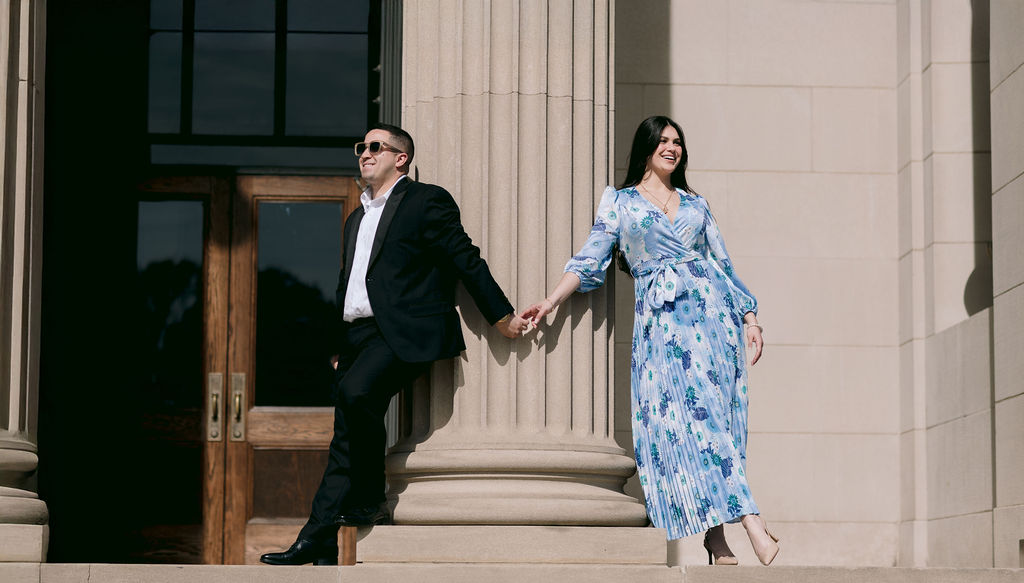
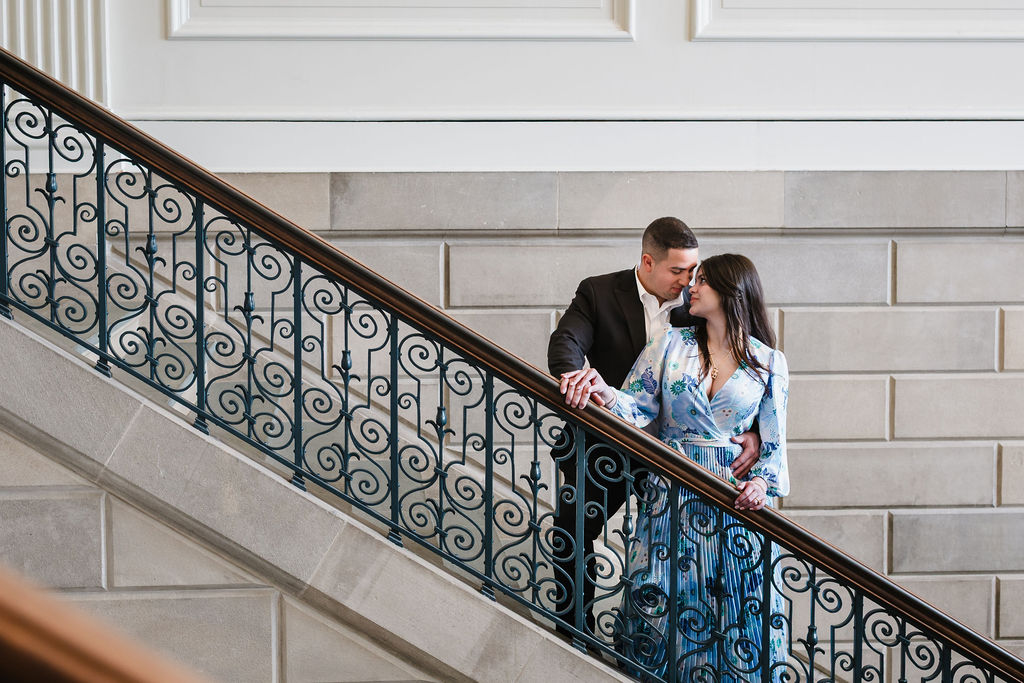
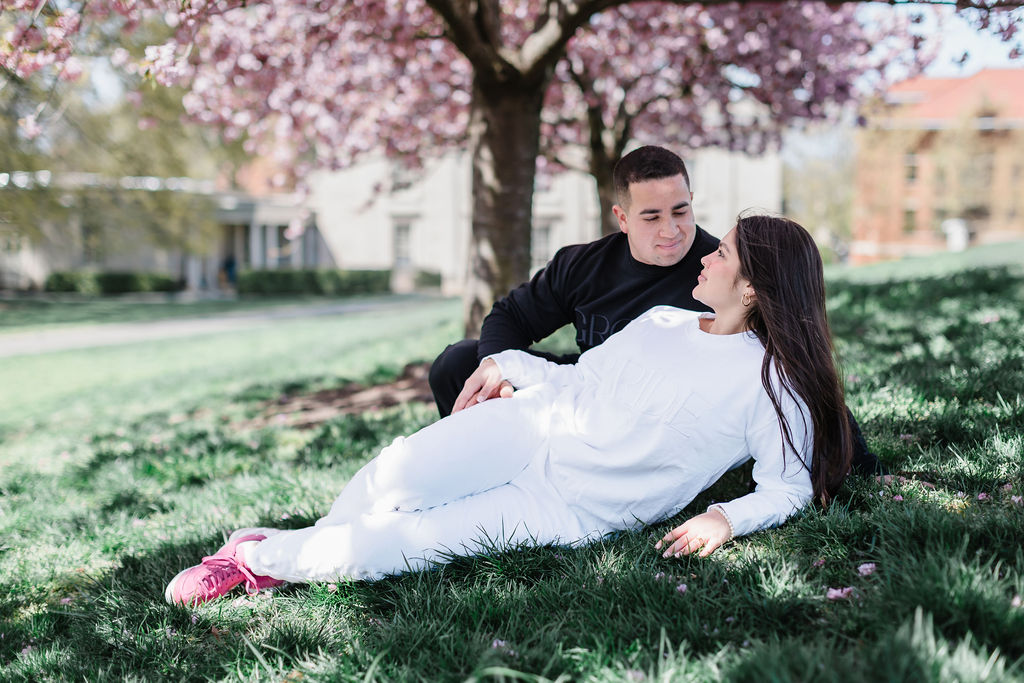
what I can do today, what can wait”) so worries don’t ride along during date night or your engagement photo session. Here a gallery with stress free result from on of my past clients. https://nianegrettephotography.pixieset.com/annaandaaronmore/
6. Do a 10-minute weekly reset together: Once a week, review what worked, what didn’t, and what to adjust, no blame, just data. Keep the focus on learning from setbacks and celebrating small wins: “We kept our walk twice, great” and “We overbooked Saturday, let’s protect one open block next weekend.” This makes it easier to stay mindful and motivated without adding more pressure.
Micro-Habits That Keep Growth Sustainable
Two-Minute Mindfulness Pause
- What it is: Sit quietly and follow your breath for two minutes.
- How often: Daily
- Why it helps: It lowers reactivity before texts, emails, and family conversations.
One-Sentence Gratitude Note
- What it is: Write one sentence you appreciate about your partner today.
- How often: Daily
- Why it helps: It keeps the relationship bigger than the wedding to-do list.
Routine-Linked Habit Stack
- What it is: Use habit stacking definition to attach one new habit to coffee or toothbrushing.
- How often: Daily
- Why it helps: It makes consistency easier when life gets busy.
Weekly “What Helped, What Hurt” Review
- What it is: Share one win, one stressor, and one adjustment for next week.
- How often: Weekly
- Why it helps: It prevents resentment and keeps expectations realistic.
Celebrate One Small Win Out Loud
- What it is: Name one completed step and thank each other for it.
- How often: Per milestone.
- Why it helps: It builds momentum and makes progress feel visible.
Pick one habit this week, and tweak it to fit your families and your timeline.
Common Questions Couples Ask About Growth and Burnout
Q: How can I set personal development goals that are realistic and maintain my motivation over time?
A: Pick one focus for the next 30 days and define it in behavior terms, like “practice calmer conflict” or “move my body 3x/week.” Keep it small enough that wedding tasks, family opinions, and work weeks cannot knock it out completely. Using a simple if-then plan can boost follow-through, and research on MCII for goal attainment suggests it can help even when motivation dips.
Q: What are effective strategies to prevent burnout while working on self-improvement?
A: Treat growth like training, not grinding: schedule recovery time and protect one “no wedding talk” block each week. Limit yourself to one active change at a time and agree on a stop rule, like pausing new habits during heavy vendor weeks. If you feel irritable, scattered, or numb, scale the goal down before you quit.
Q: How can mindfulness and meditation contribute to sustaining long-term progress in personal growth?
A: Mindfulness helps you notice the moment you are spiraling so you can respond instead of react. A short daily sit can lower stress reactivity, which improves how you communicate, plan, and show up for each other. Keep it practical: one timer, one posture, one phrase like “I can take the next step.”
Q: What are some ways to celebrate small wins to keep momentum in my personal development journey?
A: Make wins visible: write them on a shared note, then read them before bed once a week. Celebrate effort, not perfection, such as “we reset after a tense conversation” or “we asked for help early.” Tie a win to something you already do, like a quick toast with dinner or a 10-minute walk.
Q: What options should I consider if I feel stuck and want to accelerate my learning process to gain new skills more quickly?
A: Choose one skill that reduces stress fastest, like communication, budgeting, or time management, and set a clear timeline such as 6 to 8 weeks. Use a structured plan: a weekly lesson, a small practice assignment, and a feedback loop from a coach, class, or trusted mentor. If your goal is career-related, an accelerated degree plus certifications can be a focused pathway, and those exploring an IT bachelor’s degree program online may also prefer a clear structure.
Remember: keep it gentle, keep it consistent, and let progress be quiet and steady.
Small, Steady Growth That Supports Your Engagement Season
Engagement season can make personal goals feel like just one more thing to juggle, and burnout can sneak in when expectations pile up. A continuous improvement mindset, grounded in reflective practice and self-compassion in growth, keeps motivation reinforcement simple and sustainable, even when plans shift. When that approach leads, long-term personal growth becomes a series of doable adjustments that build confidence instead of pressure. Grow in small steps, and let consistency, not intensity, carry you. Choose one next step today: pick a single upskilling target or timeline adjustment that feels realistic and write it down. That steadiness protects energy, strengthens partnership, and creates resilience for marriage and everything that follows.
Ariticle by Stephanie Haywood
Remember to Enjoy the Season You’re In
While planning a wedding comes with checklists, deadlines, and countless decisions, it’s also one of the most meaningful seasons of your relationship. The habits you build today—how you communicate, support each other, and navigate challenges together—will matter long after the wedding day has passed.
Take time to slow down and appreciate the journey. The laughter during planning meetings, the spontaneous coffee dates, the walks with your dog, the conversations about your future home—these moments are part of your story too.
As a wedding photographer, I’ve learned that the most beautiful images are often created when couples feel connected, present, and genuinely enjoying this chapter of their lives. Your engagement is more than preparation for a wedding; it’s the beginning of a marriage.
If you’re looking for a photographer who values authentic connection and wants to help tell your story in a meaningful way, I’d love to connect with you. Let’s schedule a conversation and talk about your vision, your journey, and how we can create images that reflect who you are together.
Get in touch to schedule a complimentary consultation and start planning a photography experience that feels true to you.